
Voting Day
.jpg?width=1170&name=FranklyHR_blog_Header%20(1).jpg)

In the United States, mental health disorders are fairly common. Recent figures estimate that at least
1 in 4 adults in the US experience a diagnosable mental health condition each year.
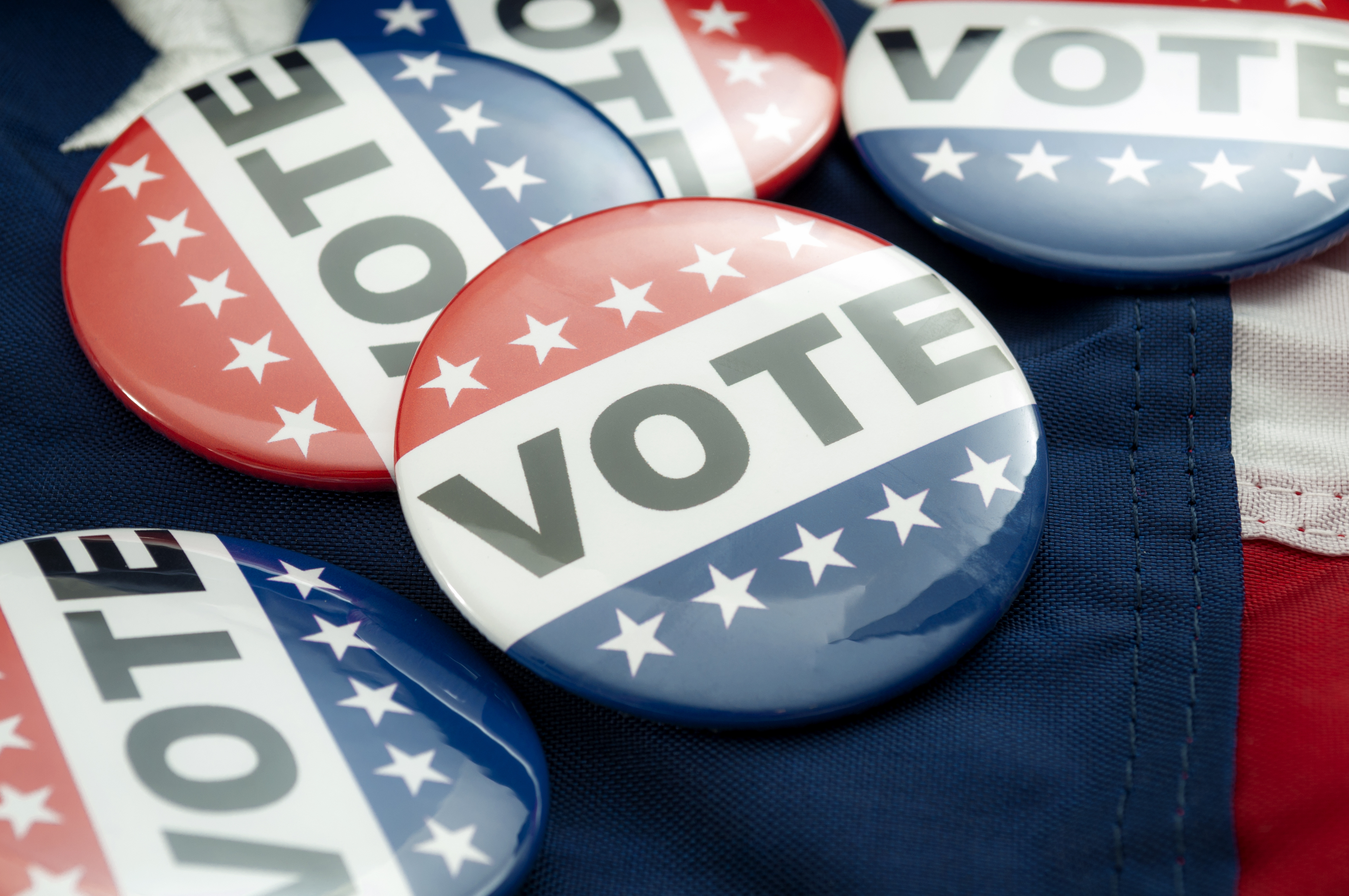
As Election Day approaches, employers should be prepared to handle requests from employees seeking time off to vote. While no federal law mandates voting leave, most states require employers to allow their workers time off for this purpose. The specific requirements vary from state to state, including rules on employee eligibility, required notice or documentation, whether the time off must be paid, the duration of leave, and provisions for election officials.
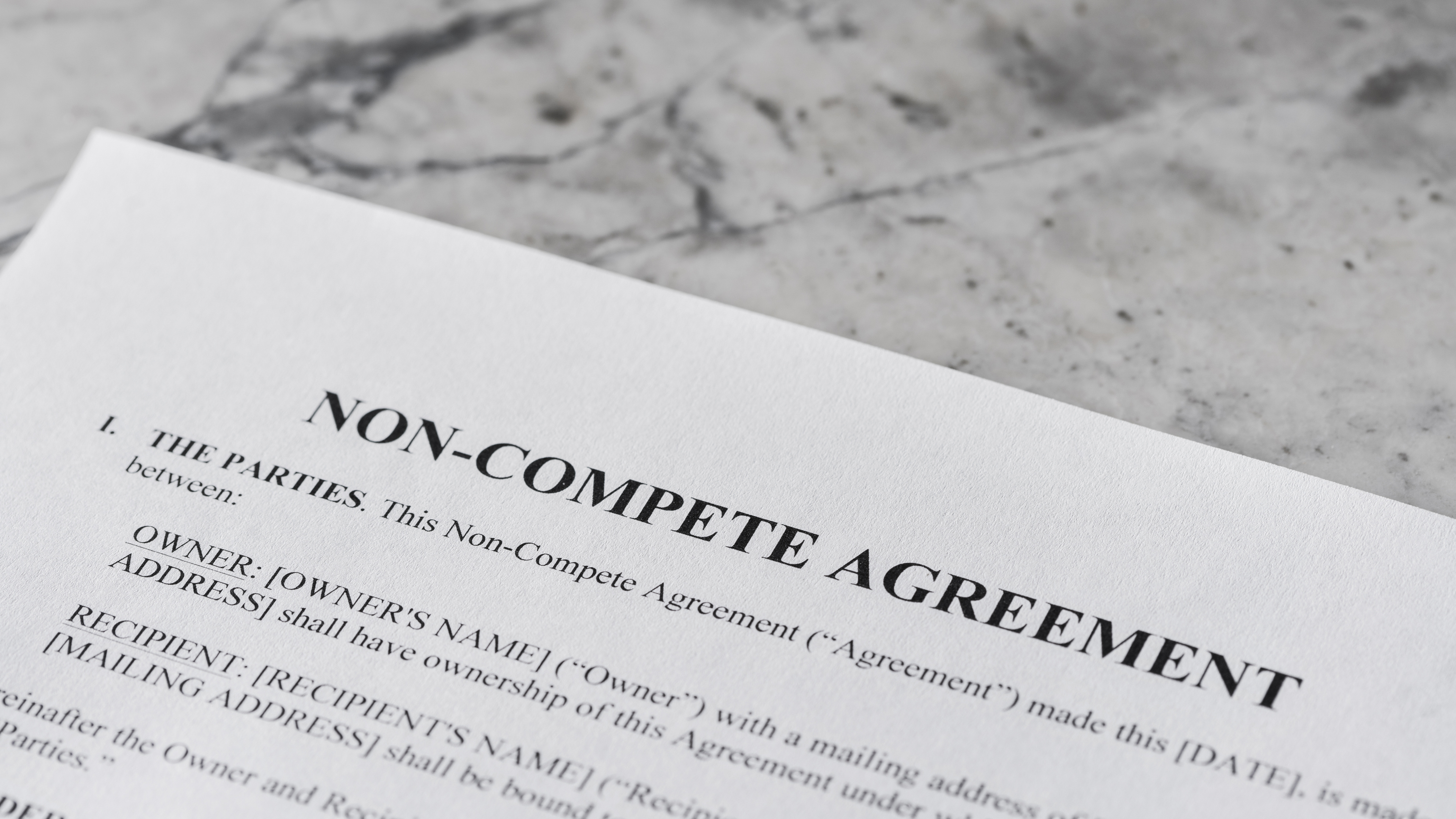
A noncompete agreement is a legal contract between an employer and an employee that restricts the employee from working for competitors or starting a competing business for a specified period after leaving the company. These agreements help businesses protect trade secrets, proprietary information, and customer relationships by preventing employees from using confidential knowledge gained during their employment to benefit a rival. However, while noncompete agreements offer some level of protection to companies, employers must also be aware of their limitations and legal considerations.
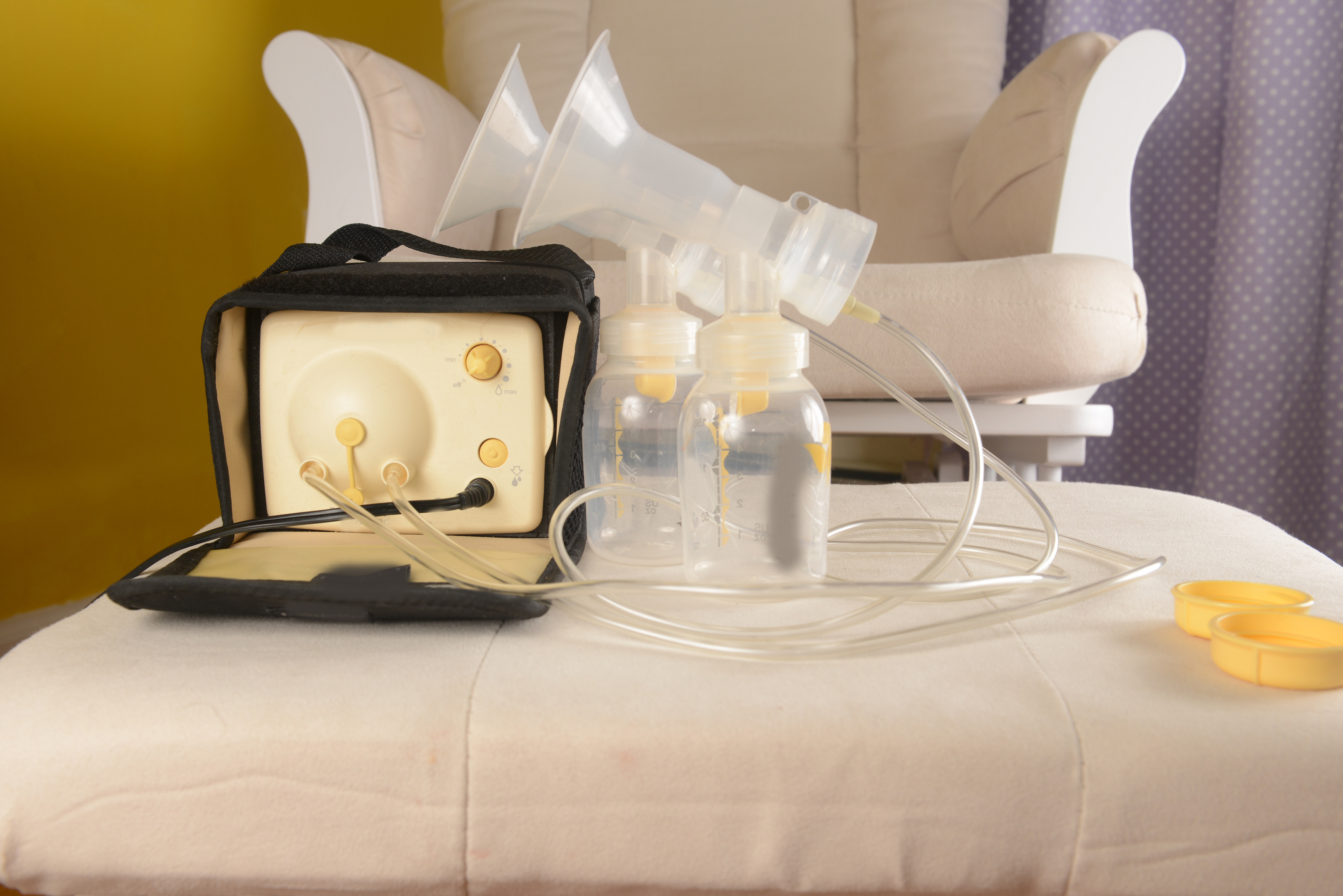
Since 2010
federal law has required employers covered under the FLSA to allow nursing mothers a reasonable space and amount of time to express breastmilk. These provisions lay the foundation for the term
lactation accommodations. In 2022, the introduction of the Providing Urgent Maternal Protections for Nursing Mothers Act, or the PUMP Act, expanded these protections for nursing mothers by:

Per the Fair Labor Standards Act (FLSA) employers are required to pay workers for hours they are "suffered" or "permitted to work." The U.S. Department of Labor (DOL) Fact Sheet #22: Hours Worked Under the Fair Labor Standards Act (FLSA) provides general information on what is compensable time under the FLSA.

The Department of Labor (DOL) regulation that set limits on the amount of time that tipped employees can spend performing work that does not directly generate tips has been struck down by the U.S. Court of Appeals for the Fifth Circuit.
Restaurant Law Center v. U.S. Department of Labor, No. 23-50562. The federal appeals court vacated the 2021 rule, voiding the provision nationwide which will be welcome news to hospitality employers.
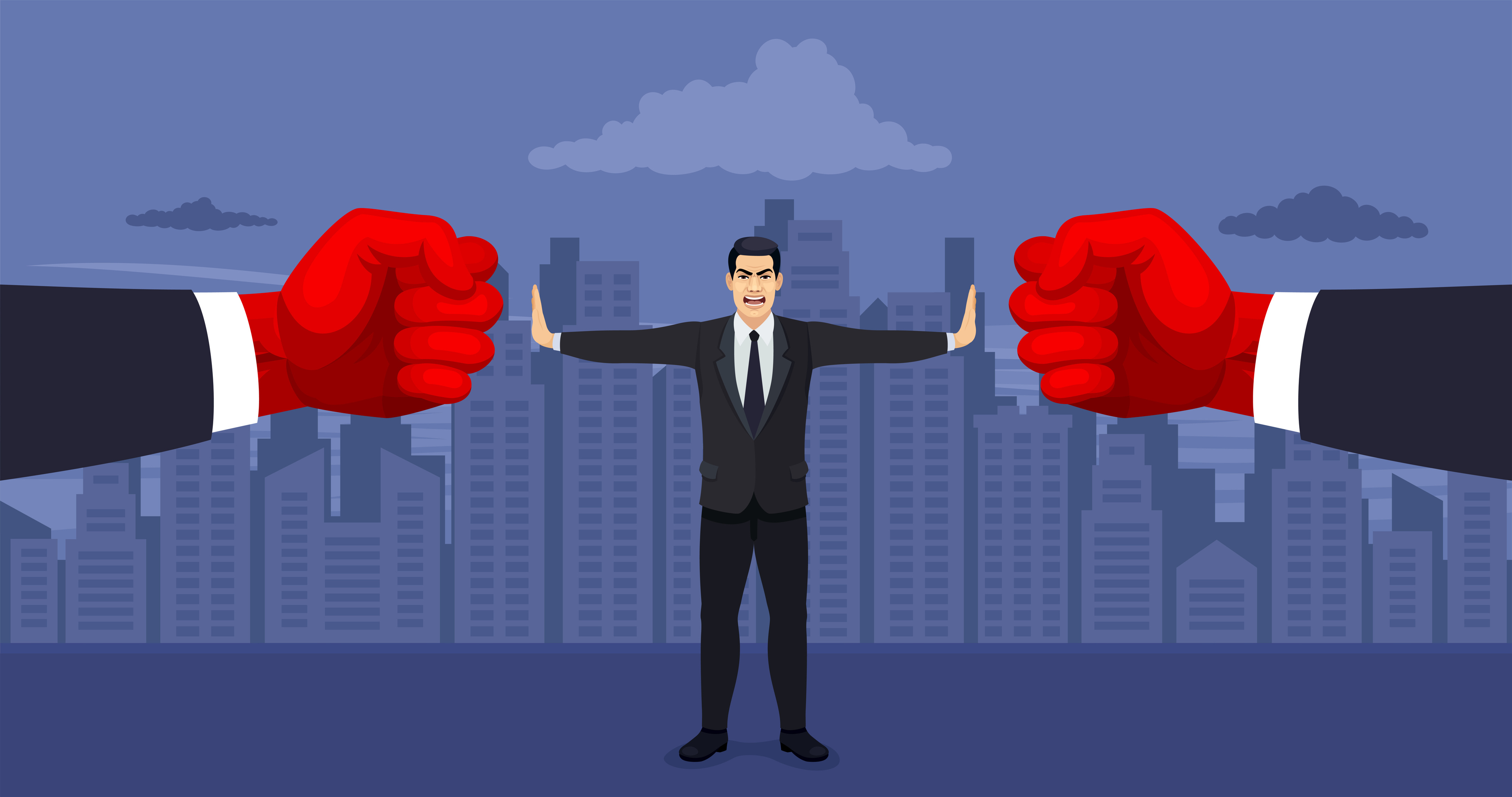
Elections are often divisive
- particularly when it is a presidential election cycle. Polarizing campaign tactics that leverage wedge issues, economic uncertainty and social unrest all contribute to a charged national climate. The 2024 election season exemplifies these challenges, the effects of which often make their way into the workplace. As a result, employers should consider certain measures to address these challenges in a way that is compliant and maintains productivity, while also supporting employees' ability to engage in respectful discussions and participate in the election process itself. This article surveys some of the top issues employers should consider.


Workplace harassment can be detrimental to a business. Not only can this lower employee morale and cause interruptions in productivity, but it can also come with a financial cost. In FY 2023, there was a total of 31,354 harassment charges received by the EEOC, resulting in the payment of over $202 million by companies around the US. This does not include claims made directly to state agencies, which could drastically increase those numbers further.