
Hiring a minor (individual under the age of 18 years old) can make good business sense to many companies, and some jobs, such as weekend and summer work, attract a high number of minor applicants.
Nonetheless, employers must operate in compliance with a variety of labor laws and be knowledgeable of their responsibilities when using child labor. According to the U.S. Department of Labor,
the number of minors employed in violation of child labor laws in fiscal year 2022 increased by 37% over FY2021.

Recent Posts

The recent liquidity issues created by the Silicon Valley Bank closure highlights many of the concerns employers can face if they find themselves in the middle of funding challenges. Funding disruptions can come in more than one way though; banking is just one example. Below are some actions an employer might think about during a financially precarious time but they should be approached with care.

Bullying is any activity that is meant to diminish or disempower another individual and any use of aggressive, hostile, abusive, or unreasonable conduct against a co-worker or subordinate. Bullying can involve physical threats, hostile or taunting words, or any action intended to interfere with an employee's work.

The National Labor Relations Board (NLRB or “the Board”) recently issued a decision in McLaren Macomb, holding that severance agreements containing overly broad non-disparagement or confidentiality/non-disclosure clauses violate the rights of employees under Section 7 of the National Labor Relations Act (NLRA). A new guidance memo from NLRB General Counsel Jennifer Abruzzo notes that this applies retroactively to previously signed agreements.

Maryland employers could receive a significant tax credit if they allow employees to reduce their work to four days per week without any reduction in pay. A proposed law would establish a first-of-its-kind pilot program in the Maryland Department of Labor (MDOL) to study the effect of a reduced work week by private and public employers.
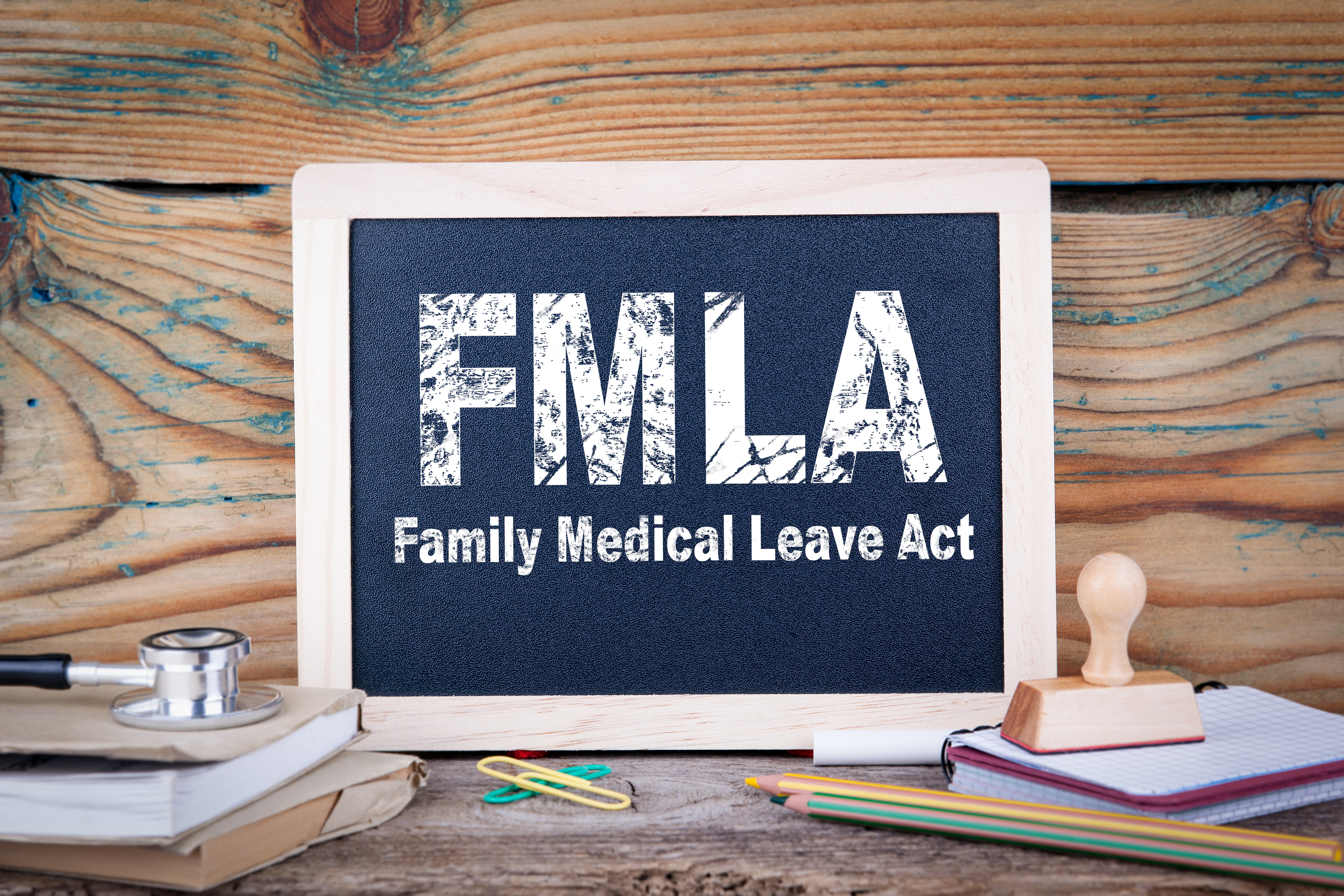
The Family and Medical Leave Act (FMLA)
was passed with bipartisan support and was signed into law on February 5, 1993, by President Clinton. It provides eligible employees with job-protected unpaid leave for certain family and medical reasons, and to remain covered by their group health insurance. The FMLA is considered a landmark law and has provided millions of workers with the opportunity to care for themselves or their family members.

As many employers have embraced the option of remote workers, this new way of doing business for many companies has opened up a lot of questions as it relates to the Federal Labor Standards Act (FLSA). In response, the Department of Labor issued Field Assistance Bulletin No. 2023-1 (FAB) on February 9, 2023, which set out to clarify some questions that have come up repeatedly in regard to remote work, rest periods, and FMLA.

The U.S. Department of Labor (DOL) has increased its fines and penalties to be in line with inflation.

First, it was quiet quitting (employee disengagement, setting boundaries for well-being, not wanting to go above and beyond) and then quiet firing (allowing employees to have bad work experiences to force them out of the organization). You can read more about these two topics on our recent blog here.

Do you have employees that drive a company vehicle? Or maybe they drive their own vehicle to run errands for the company on a regular basis? If you have employees that regularly drive for your company, you should be running a MVR report, or Motor Vehicle Records report, before letting them get behind the wheel.