.jpg?width=1170&name=FranklyHR_blog_Header%20(1).jpg)
Recent Posts


As the deadline for filing taxes quickly approaches, many employees find themselves facing financial stress, uncertainty, and the pressure of filing correctly and on time. This stress can impact workplace productivity, engagement, and overall well-being. This presents a unique opportunity to employers to support employees by providing resources and guidance to ease tax-related anxieties and promote long-term financial wellness.

Immigration enforcement is a key priority for the Trump Administration and worksite raids have ramped up in recent weeks. An Immigration and Customs Enforcement (ICE) raid can be a highly stressful experience so employers should have a clear crisis management plan in place to protect their rights and their employees while remaining compliant with immigration laws. With employer-focused raids expected to continue in the coming months, businesses that fail to prepare may risk severe consequences, including fines, arrests, and operational disruptions.

Employers in seven states will need to pay more compensation in 2025 to employees who are subject to a noncompete agreement as part of a restrictive covenant.
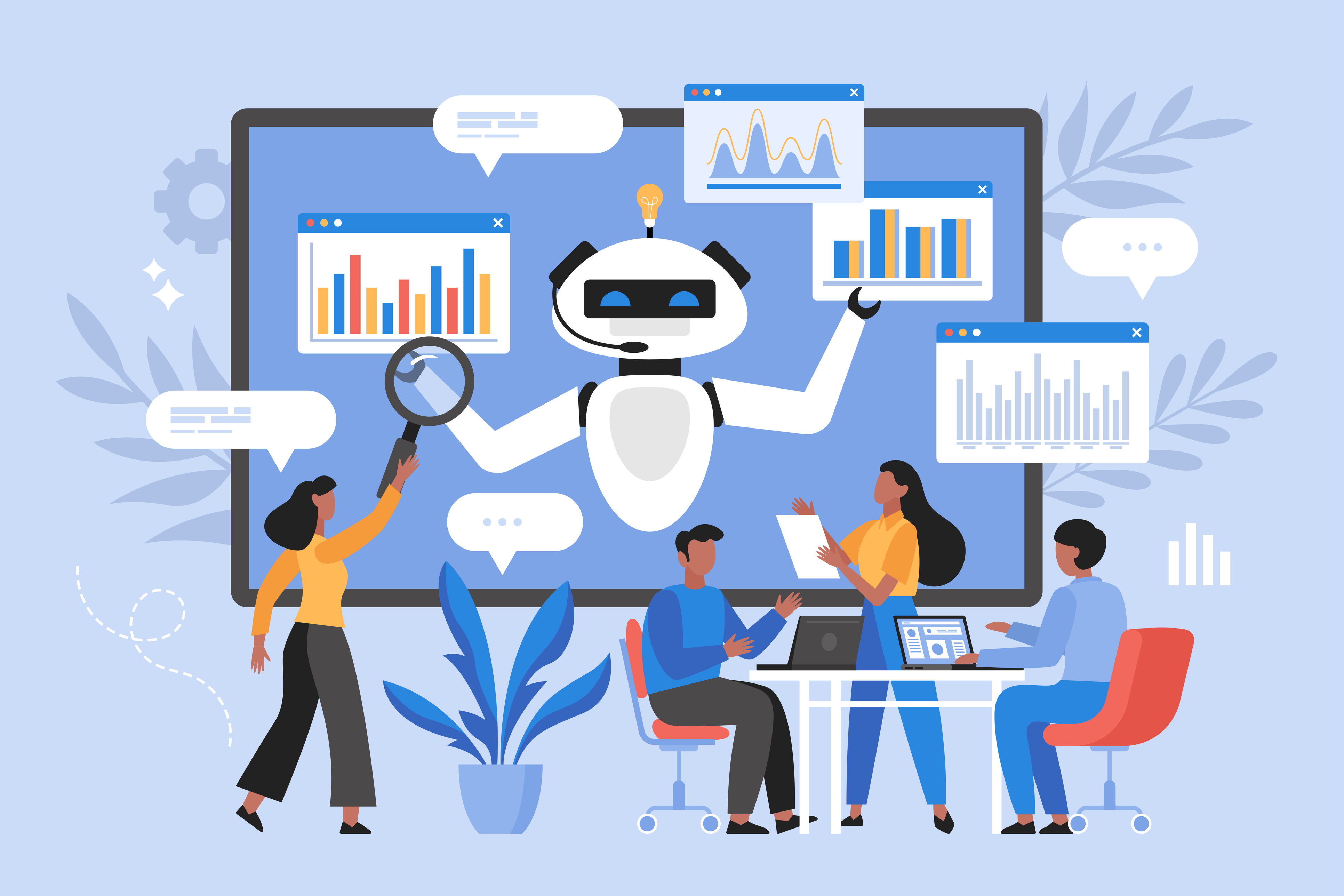
Organizations across business sectors are increasingly incorporating artificial intelligence (AI) into everyday operations to drive revenue growth, reduce costs and increase competitive advantage. AI can provide incremental efficiency and augment impact when embedded in an organization. As AI reshapes the work landscape, employers need to act to determine and communicate their strategy for addressing the opportunities, challenges and risks associated with implementing AI tools.

When an employee comes to you and asks to bring their dog (or maybe a cat, bird, or other animal) to work, how should you respond? Unless one of the perks of your workplace is bringing pets to work, your first instinct might be to say no. However, it’s important to first consider the reason for the request.

While any manager or business owner knows productivity is essential for a successful business, incivility in the workplace can greatly dampen your employees’ ability to work together and be efficient. For example, if an employee has a colleague who purposefully walks past their desk and makes snide remarks about their viewpoint regarding social and political issues, they could become distracted, find reasons not to come to work, or even quit. This all affects your business.

Generational diversity in the workplace is at its highest level ever: five generations work alongside each other at organizations across the country. Because of the potential for broad ranges of workplace experiences and preferences, employers must identify the best ways to keep diverse groups of employees motivated and engaged.

The penalties for violating the Fair Labor Standards Act (FLSA), the Family and Medical Leave Act (FMLA), the Occupational Safety and Health Act (OSH Act) and other federal laws enforced by the US Department of Labor (DOL) have gone up again. They increased by 2.6%, effective January 15, 2025.
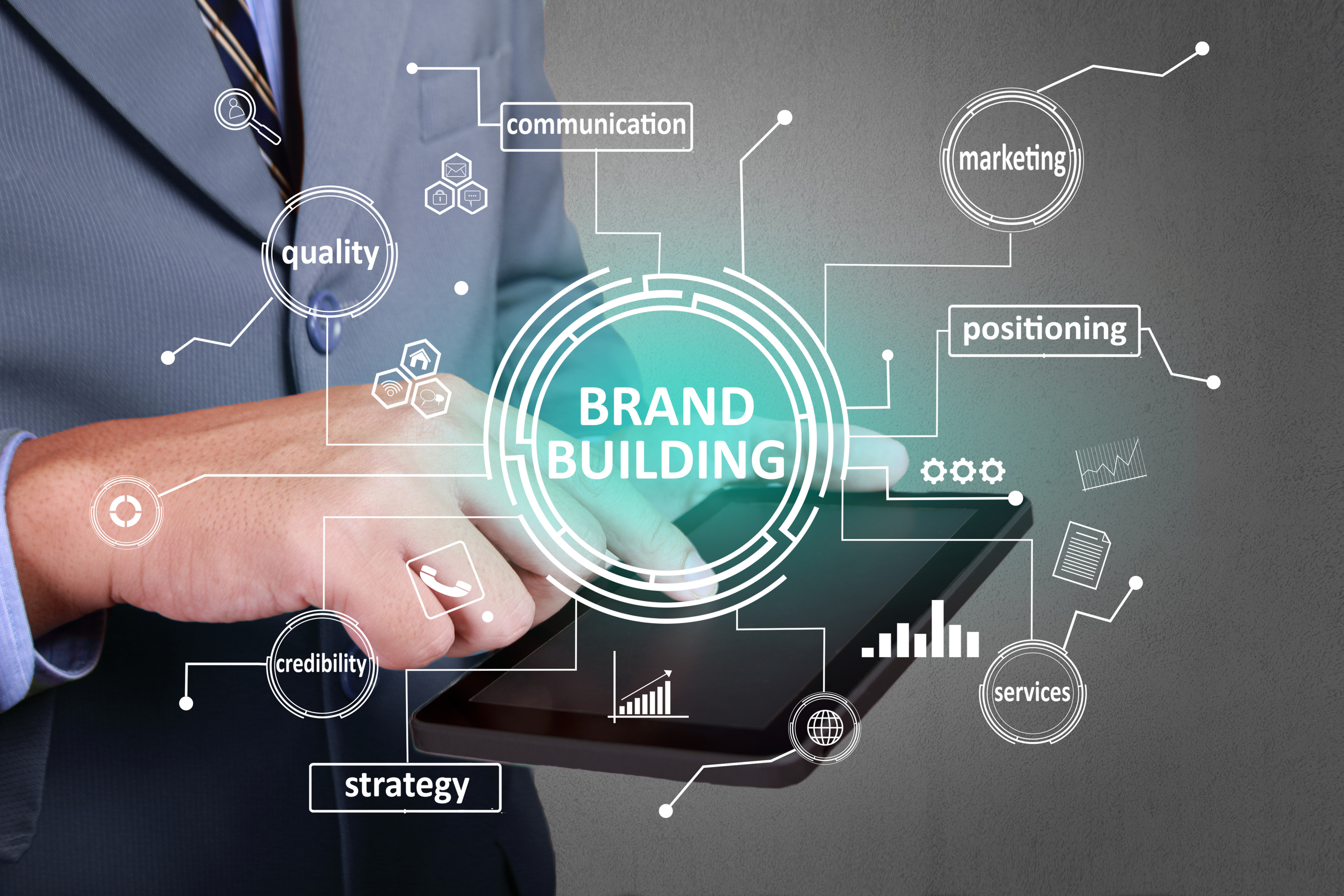
Attracting top talent starts with making your job opportunities visible to the right candidates. However, visibility is only part of the equation. With a competitive job market and discerning job seekers, employers must leverage online branding to stand out and ensure their job listings attract quality applicants. Here's how you can optimize your online presence to become a magnet for top-tier talent.